Hot Dog Recipes Inspired by World Flavors
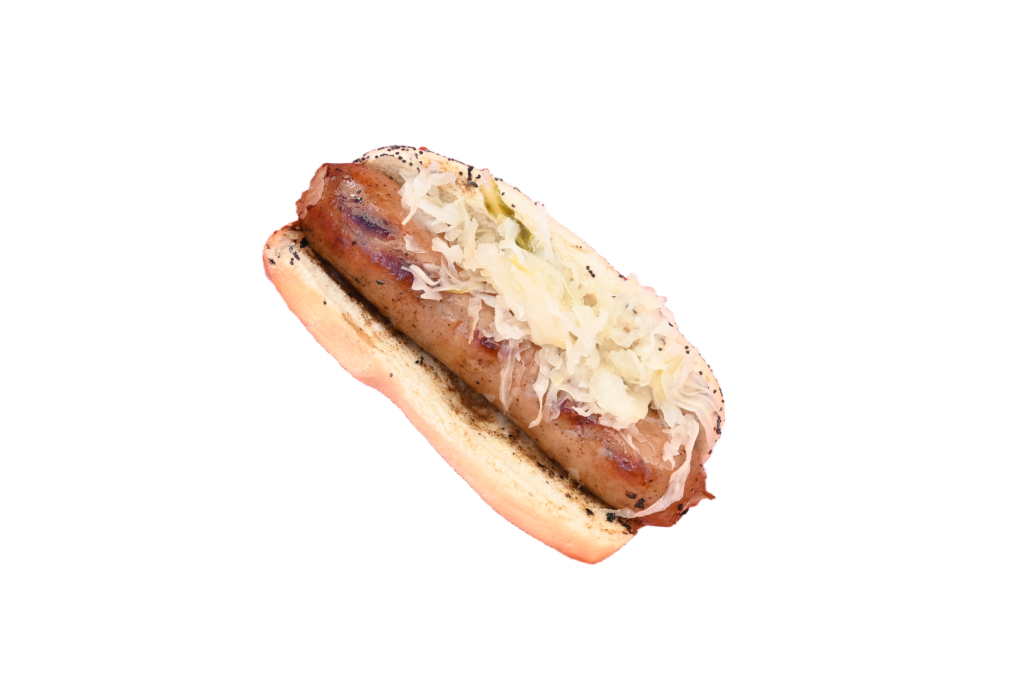

A good hot dog is already a study in contrast. You have a snappy sausage, a soft bun, something creamy, something sharp, and usually one ingredient that cuts through the richness. That built-in balance is exactly why the format adapts so well to global flavors. Once you stop thinking of a hot dog as ketchup, mustard, and relish, it becomes one of the most flexible things you can cook for a weeknight dinner, a backyard party, or a game-day spread.
The trick is not to pile on random “international” ingredients and hope for the best. The best versions borrow the structure of a dish or a flavor profile from a particular cuisine, then translate it into hot dog form. When that translation works, the result feels deliberate rather than gimmicky. You can taste the logic in every bite.
I have cooked hot dogs in restaurant kitchens, for family cookouts, and on apartment stovetops where the smoke alarm sat far too close to the grill pan. Across all those settings, the same lesson keeps proving itself. A memorable hot dog needs restraint as much as creativity. One sausage, one bun, and two to four toppings that actually belong together will always beat a crowded, overloaded mess.
What makes a world-inspired hot dog work
Before getting into specific recipes, it helps to understand why some combinations land and others fall apart. A bun-and-sausage format tends to magnify seasoning. That means sauces taste louder, pickles read sharper, and rich toppings can get heavy fast. If you are borrowing from a cuisine known for intensity, such as Korean, Mexican, or Indian cooking, you need to edit carefully.
Think in terms of roles. A successful hot dog usually has a fatty or savory base, a creamy element, an acidic element, and some texture. In a Chicago-style hot dog, that structure is obvious. In a globally inspired version, the same logic applies even if the ingredients change. Yogurt can replace mayo, quick-pickled onions can replace relish, toasted peanuts can stand in for fried onions, and a chili crisp can do the job of both heat and crunch.
The sausage matters more than people think. An all-beef frank has a strong identity, especially with bold condiments. Pork dogs tend to play more gently with sweeter toppings and fermented flavors. Chicken sausages can work when you want lighter profiles, though they sometimes need help from a richer sauce. If the toppings are assertive, choose a hot dog with enough salt, spice, and smoke to hold its own.
The bun deserves equal attention. Very soft supermarket buns are fine for classic American toppings, but they can collapse under wetter combinations. A lightly toasted bun, brushed with butter or oil, gives you much more room to work. If I’m using saucy toppings such as coconut curry onions or a garlicky yogurt, I toast the inside until just golden. That extra minute often decides whether the last bite tastes as good as the first.
A few practical rules before you start
Most mistakes happen in the assembly, not the cooking. The sausage is usually easy. It’s the toppings that turn sloppy, one-note, or oddly cold against a hot dog fresh off the grill.
- Keep wet toppings warm or chilled on purpose, not by accident. A room-temperature bean salad on a hot dog tastes neglected.
- Limit yourself to one dominant sauce. A second condiment should support, not compete.
- Cut crunchy garnishes small enough to stay on the bun. Big shards of cabbage or long herbs fall out immediately.
- Taste the toppings with a piece of sausage before serving. Balance that seems right in a bowl can shift once meat and bread enter the picture.
- Toast the bun whenever the topping includes moisture, oil, or melted cheese.
Those habits sound minor, but they save a lot of frustration, especially when feeding a crowd.
Tokyo-style hot dog with teriyaki onions, kewpie mayo, and nori
This is one of the easiest flavor combinations to pull off well because the sweet-salty profile of teriyaki naturally flatters a grilled sausage. The danger is making it too sugary. Hot dogs already contain enough sweetness for many palates, especially if the buns are soft and enriched. So the onions should be glossy and savory, not candied.
Start by slicing one large onion thin and cooking it over medium heat in a little neutral oil until it softens and takes on color. Add a modest splash of soy sauce, a spoonful of mirin, and just enough sugar to round out the edges, usually half a teaspoon to a teaspoon for one onion. Let that reduce until the onions are jammy but not wet. If the pan goes dry, a tablespoon of water will loosen the glaze without making it cloying.
Grill or pan-sear the hot dog until blistered. Spread the toasted bun with kewpie mayonnaise, tuck in the sausage, and top with the warm onions. Finish with thin strips of nori and a light scatter of toasted sesame seeds. Some people add wasabi, but I find it can bully the rest of the flavors unless used very sparingly. A better route is a touch of pickled ginger on the side or a few cucumber ribbons dressed with rice vinegar.
This version works particularly well with an all-beef hot dog because the deeper meatiness stands up to soy and nori. If you use a milder frank, cut back slightly on the teriyaki glaze.
Sonoran-inspired hot dog with pinto beans, jalapeño salsa, and crema
The Sonoran hot dog is already a regional icon, and for good reason. Bacon, beans, salsa, mayo, mustard, and soft bread sound almost excessive on paper, yet the whole thing comes together beautifully when handled with discipline. For a home version inspired by those flavors, I like to simplify just enough to keep the texture clean.
Wrap the hot dog in bacon if you want the full effect, then cook it slowly enough for the bacon to crisp before the sausage overcooks. This is easier on a flat-top or skillet than on a grill, where flare-ups can scorch the exterior. Warm pinto beans with a little onion, garlic, and cumin until they are spoonable but not soupy. Fresh jalapeño salsa should be bright and punchy, with tomato, white onion, cilantro, lime, and enough salt to wake everything up. A drizzle of crema ties it together.
What matters here is proportion. Too many beans and the bun turns pasty. Too much salsa and the whole thing slips apart. I usually spread a thin layer of beans on the bun first, add the bacon-wrapped hot dog, spoon over a small line of salsa, then finish with crema. If you like mustard on a hot dog, use it under the beans rather than on top. That keeps the flavor in the background where it belongs.
This is a rich build, so serve it with something cold and acidic. Radishes with lime and salt, or a simple cabbage slaw, are enough.
Seoul street-style hot dog with kimchi slaw and gochujang mayo
Korean flavors are a natural fit for hot dogs because fermentation, chili heat, fat, and sweetness all already know how to talk to each other. The easiest misstep is using too much kimchi straight from the jar. Good kimchi carries liquid, garlic, chile, and funk, all of which are wonderful, but they can flood the bun if left unchecked.
Chop the kimchi and squeeze out some excess liquid. Toss it with shredded cabbage and a few drops of sesame oil to make a quick slaw. The cabbage stretches the kimchi and gives you crunch, which the hot dog needs. For the sauce, stir gochujang with mayonnaise and a squeeze of lime or rice vinegar. A little honey can help if your gochujang is especially intense, but often the mayo provides enough softness.
Cook the hot dog until well browned, then layer it with the slaw and the sauce. Finish with scallions and, if you want extra texture, crushed roasted seaweed snacks or toasted panko browned in a skillet. That last touch sounds fussy, but it brings restaurant-level contrast in less than two minutes.
This is one of the best versions for parties because most of the topping can be made ahead. Just keep the slaw cold and the sauce separate until serving. The combination also works well with smoked sausages if you want a heavier, more robust bite than a standard frank provides.
Curry house hot dog with masala onions and cucumber raita
Some flavor ideas sound strange until you try them, and then they seem obvious. Curried onions on a hot dog fall into that category. The spices love the fat in the sausage, and the cool dairy element from raita gives the whole thing shape. What you want to avoid is a muddy curry sauce. Keep the spicing dry and aromatic rather than stewy.
Cook finely sliced onions slowly with oil or ghee until soft. Add a pinch each of cumin, coriander, turmeric, and garam masala. If you like heat, a little Kashmiri chile powder brings color and gentle warmth. Finish with salt and a squeeze of lemon. The onions should be deeply savory, lightly spiced, and almost jam-like.
For the raita, use thick yogurt mixed with grated cucumber that has been squeezed dry, plus a little mint, salt, and perhaps a tiny clove of grated garlic. The yogurt must be thick enough to dollop, not pour. If it runs, it will soak the bun and dilute the spice.
Assemble the hot dog with the masala onions first and the raita second. A few cilantro leaves on top are enough. This version benefits from a firmer sausage with some smoke, because the toppings themselves are soft. It is also one of the most balanced meat-and-dairy combinations you can make on a hot dog, especially for diners who want spice without aggressive heat.
Mediterranean hot dog with lamb sausage, tzatziki, tomato, and pickled onion
Not every world-inspired hot dog needs to be loud. Some of the best are simply grounded in familiar pairings. A lamb sausage, or even a beef dog seasoned with cumin and garlic, can carry Mediterranean cues beautifully when topped with tzatziki, chopped tomato, herbs, and pickled red onion.
If you use lamb sausage, cook it gently to avoid splitting. Rich sausages lose a lot of their appeal when the juices run out onto the pan. Tzatziki should be thick and well-seasoned, with dill or mint and enough lemon to sharpen the dairy. Dice the tomato small and drain it briefly on a towel so it does not water down the bun. Pickled onions should be bright pink, lightly acidic, and thin enough to bite through cleanly.
The flavor profile here is cleaner than in the previous examples, which makes texture even more important. Warm bun, crisp-edged sausage, cool sauce, juicy tomato, soft onion. Add a few torn parsley leaves and you have something that feels substantial without being heavy.
This is also a practical choice for warm weather because the toppings stay appealing at cool temperatures. You can grill a batch of sausages and let guests assemble their own without much last-minute scrambling.
Bahn mi-inspired hot dog with pâté mayo, pickled carrot, and herbs
A banh mi is not a hot dog, and trying to reproduce the entire sandwich in miniature usually creates a cluttered result. But its key notes, rich spread, sharp pickles, fresh herbs, and chile, adapt brilliantly if you scale them correctly.
Instead of full pâté, which can feel heavy in combination with a fatty frank, blend a spoonful of pâté into mayonnaise. That gives you the right depth without turning the whole thing into a liver sandwich. Quick-pickled carrots and daikon should be cut into short matchsticks so they sit neatly on the sausage. Fresh cilantro, thin cucumber slices, and a few rings of jalapeño complete the picture.
The bun matters here more than with almost any other version. A standard soft hot dog bun works, but a lightly toasted split roll with a bit more structure gets you closer to the contrast that makes banh mi so satisfying. If I’m serving these for dinner rather than as a novelty item, I often use a smaller roll and a longer sausage so each bite includes topping, meat, and bread together.
The acidity in the pickles is what keeps this hot dog lively. If the carrots taste timid, add more vinegar, a pinch more sugar, and a little more salt. Bland pickles are the fastest way to flatten the entire build.
Caribbean-inspired hot dog with pineapple relish and jerk mustard
Sweet fruit on a hot dog can go wrong quickly if it turns dessert-like. The solution is heat, char, and acidity. A pineapple relish that includes grilled fruit, scallion, chile, lime, and a touch of allspice feels vibrant rather than sugary. Pair that with a mustard sharpened by jerk seasoning and you have something layered and bold.
Grill pineapple until the edges color, then chop it small. Mix with sliced scallion, minced Scotch bonnet or a milder chile if needed, lime juice, and just a pinch of brown sugar if the fruit is not especially ripe. For the jerk mustard, stir prepared mustard with a little jerk paste and perhaps a spoonful of mayo if you want a smoother spread. Use a restrained hand with the paste, since many commercial versions are quite salty and intense.
A pork hot dog works especially well here because it echoes the sweet-spicy combinations common in Caribbean cooking. Finish with a little shredded cabbage for crunch if you like, though the relish itself is often enough.
How to scale these for a cookout without losing the point
A world-inspired hot dog sounds fun in theory, but many people abandon the idea once they imagine making six different sauces while guests hover around the grill. The answer is to simplify the service model. Offer two styles, not six. Pick one rich option and one bright option. Make the toppings in advance, keep the buns wrapped and ready to toast, and cook the sausages close to serving time.
For a group of eight to twelve, this approach works well:
- Choose two dogs with contrasting profiles, such as kimchi-gochujang and Mediterranean-tzatziki.
- Prep all sauces and relishes several hours ahead, then chill them.
- Set out toppings in small amounts and refill as needed so they stay fresh-looking.
- Toast buns in batches, not all at once, unless you can keep them covered and warm.
- Keep a plain mustard and a simple pickle available for cautious eaters.
That last point matters more than many enthusiastic cooks admit. Not everyone wants a fully dressed flavor-forward hot dog, and there is no reason to force it.
Small adjustments that make a big difference
If you are developing your own recipes inspired by world flavors, pay attention to temperature and scale. Strong condiments usually need to be used in smaller amounts on a hot dog than they would on rice, noodles, or a composed sandwich. Harissa, chimichurri, chili crisp, toum, and achaar can all work, but each needs a counterweight.
Acid is usually the missing piece. A sausage and bun are soft, salty, and rich. Without acidity, your toppings may taste impressive on their own and dull once assembled. Pickled onions, lime juice, yogurt, vinegared slaw, and mustard all earn their place because they cut through that richness. You can often rescue a heavy hot dog by adding one sharp ingredient rather than reworking the whole topping set.
Texture deserves the same respect. If every element is soft, the hot dog eats like paste. If every element is crunchy, it feels disjointed. The ideal bite usually includes one soft component, one creamy one, and one crisp or crunchy finish.
There is also no shame in using smart shortcuts. Store-bought kimchi, good jarred pickles, quality curry paste, or prepared tzatziki can all be perfectly respectable starting points. The difference between a forgettable hot dog and a good one is rarely whether you made every component from scratch. It is whether you tasted, adjusted, and assembled with intention.
The real appeal of a globally inspired hot dog
Part of the charm here is practical. Hot dogs are affordable, quick to cook, easy to portion, and familiar enough that most guests approach them with curiosity instead of suspicion. But the deeper appeal is that they invite creativity without demanding perfection. You can borrow a flavor idea from a favorite meal, translate it into a topping, and know within one bite whether the concept works.
That makes the hot dog an unusually honest canvas. It reveals imbalance quickly. It rewards clarity. And when you get it right, the result feels playful and serious at the same time, which is a rare combination in home cooking.
If you start with a good sausage, a toasted bun, and a clear flavor idea, you do not need much else. A spoonful of teriyaki onions, a stripe of gochujang mayo, a cool swipe of raita, a pile of sharp pickles, each one can turn an ordinary hot dog into something https://juliussbpg533.lakeviewbrief.com/posts/everything-you-need-for-the-perfect-hot-dog-picnic worth remembering.
Under Construction Hot Dogs
1225 W U.S. Hwy 50, Pueblo, CO 81008
FAQ About hot dog
What are different types of hotdogs?
Under Construction Hot Dogs offers a classic all-beef hot dog, a quarter-pound Jumbo Dog, a Chili Dog, and a Chicago Dog, along with brats and a Spicy Link.
What does a chili dog have on it?
Our Chili Dog pairs a Vienna all-beef hot dog with chili, shredded cheddar cheese, and finely diced onions.
What is in a traditional Chicago dog?
Our Chicago Dog comes on a steamed poppy seed bun with yellow mustard, bright green relish, onions, tomato wedges, a pickle spear, sport peppers, and celery salt.