Kid-Friendly Hot Dog Recipes for Picky Eaters


Feeding a picky eater often has less to do with hunger and more to do with predictability. Texture matters. Color matters. The order foods touch on the plate matters more than most adults expect. That https://emiliosboc411.raidersfanteamshop.com/hot-dog-pairings-drinks-and-sides-that-work-best is one reason the humble hot dog has such staying power in family kitchens. It is familiar, mild, quick to cook, and easy to portion. More important, it adapts well. A hot dog can stay plain for the child who wants nothing unexpected, or it can serve as a bridge toward new flavors for the child who is willing to try one small change at a time.
Parents often feel pressure to make every meal exciting, balanced, and worthy of a photo. Real life is usually messier. On a Tuesday evening, after work, school pickup, and homework, dinner needs to be manageable. If a child will reliably eat a hot dog, that is not a failure of imagination. It is a useful starting point. The goal is not to trick children into eating a dozen unfamiliar ingredients. The goal is to keep meals calm, nourishing, and flexible enough that picky eaters can build confidence around food.
A good kid-friendly hot dog recipe respects that reality. It keeps flavors gentle, portions approachable, and textures consistent. It also leaves room for the parent to make easy upgrades, such as choosing a better-quality hot dog, using a whole grain bun, or adding fruit and vegetables on the side in forms the child already accepts.
What picky eaters usually respond to
When I cook for selective eaters, I pay attention to three things first: sameness, softness, and separation. Children who reject mixed casseroles or heavily topped sandwiches often do well with foods they can identify at a glance. A plain hot dog in a bun makes sense to them. They can see what it is. They know what each bite will taste like. That predictability lowers the stress of the meal before the first bite happens.
Texture is the next hurdle. Crunchy onions, slippery relish, or stringy melted cheese can be deal breakers. A child may like the flavor of cheese but hate the stretch of mozzarella. Another may tolerate ketchup but not chunky salsa. This is why the most successful hot dog recipes for picky eaters are usually gentle in structure. Soft buns, warm sausage, smooth sauces, and finely chopped or hidden add-ins work better than towering toppings.
There is also the matter of scale. A full-size hot dog can feel big to a child who gets overwhelmed easily. Sliced rounds, halves, or mini hot dogs often go over better because they look less intimidating. Small pieces also make it easier to offer "just one try" without turning the meal into a negotiation.
Choosing the right hot dog for children
Not every hot dog behaves the same way in a recipe. Some are heavily smoked and salty, while others are milder and softer. For picky eaters, the mildest option is usually the safest place to begin. Beef hot dogs have a stronger flavor than chicken or turkey in many brands, though there is plenty of variation. Uncured products sometimes taste cleaner to adults, but the main factor for children is consistency from package to package.
Size matters, too. Bun-length hot dogs can be useful for older kids, but standard or short dogs are often easier for younger children to manage. Mini cocktail franks can work well for lunch boxes, snack plates, or "build your own" dinners where each child gets a few pieces and one or two dipping sauces.
Pay attention to casing. Natural casing gives that snappy bite some adults love, but a casing-free hot dog is often better for children who are sensitive to texture. If your child tends to chew the outside and leave the rest, try a skinless version next time. That small adjustment can change the entire meal.
Cooking methods that make a difference
Boiling is underrated for picky eaters. It produces a soft, evenly heated hot dog without browned edges or grill marks that some children dislike. A quick simmer, not a rolling boil, keeps the texture tender. For children who reject anything that looks too dark or crisp, this is often the most reliable method.
Pan-heating is useful when you want just a little color and more flavor without going fully grilled. A nonstick skillet over medium-low heat lets you rotate the hot dog gently and control the browning. This works especially well if your child likes a warm, slightly firmer exterior but not a heavily charred one.
Microwaving is practical, though it can split the hot dog and change the texture. If that is your fastest option, pierce it lightly and cover it with a paper towel so it heats more evenly. It is not the most elegant method, but elegance rarely matters at 6:15 p.m. When everyone is tired.
Grilling brings smoky flavor, but it also creates visual variation and a firmer skin. Some children love that. Others reject it on sight. If your child is sensitive to appearance, save grilled hot dogs for later, once they are already comfortable eating them in simpler forms.
Bun choices can make or break the meal
Adults tend to focus on the sausage, but children often care more about the bun. A bun that is too thick, dry, or crumbly can ruin a food they otherwise like. Soft white buns remain popular with picky eaters for a reason. They are neutral, easy to bite, and familiar. If you want to improve nutrition, whole wheat buns can work, but choose a soft style. Dense bakery rolls may please adults and frustrate children.
Steaming or warming the bun is an easy upgrade. It softens the bread and makes the whole meal feel gentler. Lightly buttering the inside and warming it in a skillet can also help, especially for children who dislike dry bread. This is one of those small kitchen habits that pays off disproportionately.
Some children do better with the bun served separately. They might eat a sliced hot dog and nibble the bread on the side. That still counts as dinner. Pressing for the "correct" sandwich form often creates resistance where none existed.
The plain-but-better hot dog
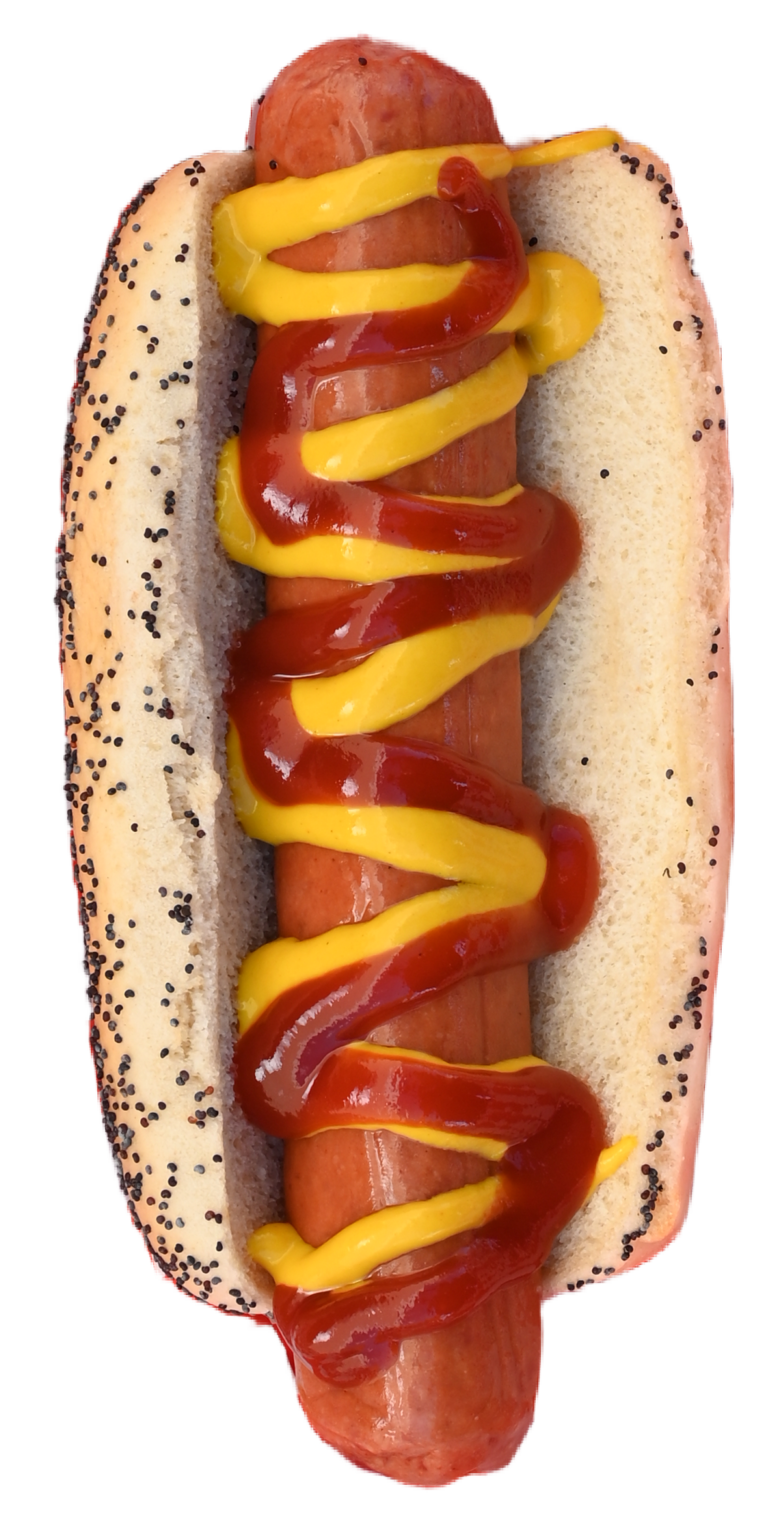
The simplest hot dog recipe for picky eaters is still worth doing well. Start with a mild, skinless hot dog and heat it gently, either by simmering or in a skillet over medium-low heat. Warm a soft bun until it is pliable. If your child likes condiments, use a thin line of ketchup or a very light swipe of mustard rather than a heavy squeeze that floods the bun.
The improvement comes from details. Pat the hot dog dry before placing it in the bun so the bread does not get soggy. If your child dislikes the way condiments spread, serve them on the side for dipping instead. Cut the hot dog into halves for younger children or into coin slices if they eat more comfortably with a fork.
This plain version works because it removes surprises. For many families, that is the right baseline meal. Once it is accepted, you can build from there.
Cheesy hot dog roll-ups
One of the most reliable variations for picky eaters is the cheesy hot dog roll-up. It has the flavor profile children already know, but the shape feels more snack-like and approachable. Use crescent dough or pizza dough, depending on what your child prefers. Crescent dough gives a softer, richer result. Pizza dough is a little chewier and works well if your child enjoys crust.
Wrap each hot dog with a thin strip of cheese, then cover it in dough and bake until the dough is cooked through and lightly golden. The key is restraint. Too much cheese can leak, harden, and create the stretchy texture that some picky eaters reject. A narrow strip is enough to add flavor without turning messy.
If your child is wary of visible browning, pull the roll-ups from the oven when they are just pale gold rather than deep brown. Serve with ketchup on the side for dipping. This recipe is especially useful for children who like pigs in a blanket but have grown tired of the same presentation.
Mac and cheese hot dog cups
For children who already like macaroni and cheese, combining it with hot dog can be a gentle way to increase acceptance. The trick is to keep the portions small and structured. Spoon prepared mac and cheese into muffin cups, add small slices of hot dog, top with a little shredded cheddar, and bake just until set.
This recipe succeeds because each serving is compact and easy to hold. It also avoids one of the biggest problems with mixed dishes for picky eaters, which is visual chaos. In a bowl, pasta and hot dog can look jumbled. In a muffin cup, the serving looks intentional and neat.
A word of caution from experience: do not overbake. If the cheese on top turns oily or the pasta edges crisp too much, selective eaters notice immediately. Pull them while the centers are still soft. Let them cool for a few minutes so the cups hold together without becoming rubbery.
Mini hot dog pizza boats
Pizza flavors are familiar territory for many children, and hot dog pizza boats use that comfort wisely. Split soft hot dog buns or small rolls, spread on a thin layer of pizza sauce, add sliced hot dog, and sprinkle with a modest amount of mozzarella. Bake until the cheese melts.
The reason this version works better than a fully loaded pizza is portion control. Each child gets an individual piece with a known shape and a manageable amount of topping. If your child dislikes sauce, spread only a whisper of it under the cheese or leave one boat plain and let them compare. Some children will try a new ingredient when it appears in a food they already trust, especially if the change feels reversible.
Keep seasoning light. Adults may want oregano or garlic powder, but strong dried herbs can dominate. For picky eaters, the target is mild pizza flavor, not pizzeria complexity.
Crispy hot dog quesadillas
A quesadilla can soften the leap from plain hot dog to a more combined meal. Slice the hot dog very thin so it distributes evenly and does not create awkward bites. Scatter it over one half of a tortilla with mild shredded cheese, fold, and cook in a skillet until the outside is lightly crisp and the cheese has melted.
This is one of the best recipes for children who like finger foods. You can cut the quesadilla into small triangles or strips, which often feels more playful than a traditional sandwich. The tortilla also offers a different texture than a bun, which can help if your child is going through a phase of rejecting bread.
Use judgment with the browning. Some children love a toasted tortilla, others only accept it when barely colored. You know your child better than the recipe does. Adjust the heat and timing to fit what they usually tolerate.
Sweet-and-mild baked beans with hot dog slices
This is a classic for a reason, and it still works if you treat it carefully. Many canned baked beans are too smoky or too heavily seasoned for a sensitive child, but a mild version with small hot dog slices can be deeply comforting. Heat the beans slowly and stir in the sliced hot dog near the end so it warms through without toughening.
The appeal here is softness. Everything in the bowl is tender, mildly sweet, and easy to chew. If your child likes foods that can be eaten with a spoon, this recipe is worth revisiting, even if you think of it as old-fashioned.
If beans themselves are the sticking point, start with just a few spoonfuls alongside a plain hot dog and let the child combine bites if they choose. Forced mixing usually backfires. Optional exposure tends to work better over time.
Hot dog fried rice for the child who likes familiar grains
This recipe is useful when a child already enjoys plain rice. Dice the hot dog into very small pieces and warm it in a skillet with a bit of oil or butter. Add cooked rice and a small amount of soy sauce if your child accepts it, or skip the soy and season lightly with salt. A soft scrambled egg can be folded in for extra protein if eggs are already in the safe-food rotation.
The strength of this dish is that the hot dog becomes part of a familiar base rather than the star. That can help children who like the flavor but not the look of a whole hot dog in a bun. Keep any vegetables minimal and very fine if you are including them. Peas are common in fried rice, but they can become visual obstacles. Finely minced carrot or a spoonful of pureed butternut squash works better if you are trying to nudge nutrition quietly.
This is not the recipe to introduce several new elements at once. If fried rice is already new, keep the rest very plain.
Corn dog muffins without the fairground heaviness
Corn dogs appeal to children because the coating is slightly sweet and the shape is fun, but deep-fried versions can feel heavy and messy. Corn dog muffins solve both problems. Pour a mild cornbread batter into greased mini muffin tins, place a hot dog slice or half piece into each cup, and bake until just done.
Children often accept these because they look more like a snack than a main dish. That matters more than adults realize. A small, hand-held portion can lower resistance, especially at lunch.
Choose a cornbread recipe that is tender rather than crumbly. Dry corn muffins fall apart and leave the hot dog exposed, which defeats the point. If your child is sensitive to gritty textures, use a finer-ground cornmeal or a recipe that includes more flour for softness.
Dipping sauces as a low-pressure way to expand tastes
For some picky eaters, dipping is more appealing than topping. It gives a sense of control. A child can touch the food lightly to the sauce or ignore it altogether without changing the whole meal. That autonomy matters.
Ketchup is often the standard, but ranch, honey mustard, barbecue sauce, or a mild cheese sauce can work if your child already likes them elsewhere. Serve sauces in tiny portions. A tablespoon is plenty. Large pools of sauce can look overwhelming and lead to instant refusal.
There is also a practical advantage to sauce on the side. A hot dog bun stays intact longer, and the child can adjust each bite. If they dip once and dislike it, the rest of the meal is still safe.
Making vegetables feel less like a separate battle
Most parents asking for kid-friendly hot dog recipes are also wondering how to get something green, orange, or fresh onto the plate without starting a second conflict. The answer is usually not to hide a full serving of vegetables inside the main dish. That can create mistrust if the child notices. A better strategy is to pair the hot dog with a side the child already tolerates and make only one small stretch at a time.
Cucumber coins, apple slices, steamed corn, carrot sticks, peas, or strawberries are common wins because they are visually simple and easy to separate from the main food. If your child only eats one or two of these, that is still useful. Dinner does not have to accomplish everything in one sitting.
When I have seen families make the most progress, they stop treating the side dish as a test. The vegetable or fruit appears regularly, in a small amount, without pressure. The hot dog remains the reliable anchor. Over time, curiosity does more work than persuasion.
When presentation matters more than the recipe
Children do not always reject food because of flavor. They reject it because it looks wrong for that particular day. A whole hot dog might be unacceptable, while slices are fine. A bun might be refused, while the same bread cut into squares gets eaten. That can feel irrational, but from the child's perspective it often reflects comfort and control.
Serving style can help. A divided plate keeps elements from touching. Small portions prevent the plate from looking crowded. A familiar cup for sauce or a favorite tray can make a meal feel safer. These are not gimmicks so much as practical tools. Adults use atmosphere to improve meals all the time. Children simply respond to it more visibly.
Temperature is another overlooked factor. Some picky eaters want hot food very warm. Others need it cooled enough that steam is gone. A hot dog that is too hot can trigger an immediate refusal and spoil the entire meal, even once it cools. Letting food rest for a minute or two often helps more than parents expect.
A note on nutrition and frequency
Hot dogs are processed meat, so moderation is sensible. Most families know that instinctively. The question is not whether every dinner should revolve around hot dogs. It is how to use a dependable food wisely when mealtime has become tense. In practice, that often means serving hot dogs alongside fruit, milk, yogurt, cheese, or a familiar vegetable, and rotating in other proteins when possible.
If your child eats very few foods, the immediate priority is often adequate calories and a peaceful routine. Broadening the diet comes next, gradually. In that context, a hot dog can be a practical bridge food. It is usually more productive to work from accepted foods outward than to insist on a perfect menu that no one actually eats.
Choosing lower-sodium brands, pairing them with fiber-rich sides, and varying preparation styles can all help. So can seeing the meal in weekly terms rather than judging one dinner in isolation.
Helping picky eaters participate
Children are more likely to try food they helped assemble, especially when the task is simple and low stakes. Setting out buns, sliced cheese, a small cup of ketchup, and a few hot dog pieces gives them ownership without overwhelming them. Even very selective eaters may engage if they are allowed to build their own version.
Keep the choices limited. Too many options can backfire. Two sauces, one bun, and one add-in is often enough. The goal is not to create a topping bar. The goal is to give the child a manageable decision that increases comfort with the meal.
Participation can also happen earlier. Letting a child place hot dog slices in muffin cups or wrap dough around roll-ups creates familiarity before the food reaches the table. They see what is in it. Nothing feels hidden. For wary eaters, that transparency matters.
Recipes are only part of the solution
The best kid-friendly hot dog recipes for picky eaters work because they fit into a broader rhythm of calm, repetition, and small change. A recipe can help, but it cannot overcome pressure, fatigue, or a child who feels trapped at the table. What does help is knowing your child's patterns. Maybe they accept foods better at lunch than dinner. Maybe they prefer components separated. Maybe they need the same meal several times before trying a variation.
That kind of observation is not glamorous, but it is effective. A hot dog served in the right form, at the right temperature, with the right side dish, often lands better than a more ambitious recipe chosen for nutritional ideals alone. Progress tends to look modest from day to day and significant over months.
If there is one practical advantage to cooking with hot dogs for picky eaters, it is this: the base food is familiar enough to tolerate repetition, and flexible enough to support gentle experimentation. One week it is plain in a bun. Another night it becomes a cheesy roll-up or a muffin cup. Those small shifts are often where trust begins, and once trust exists, children are far more willing to take the next bite.
Under Construction Hot Dogs
1225 W U.S. Hwy 50, Pueblo, CO 81008
FAQ About hot dog
What are different types of hotdogs?
Under Construction Hot Dogs offers a classic all-beef hot dog, a quarter-pound Jumbo Dog, a Chili Dog, and a Chicago Dog, along with brats and a Spicy Link.
What does a chili dog have on it?
Our Chili Dog pairs a Vienna all-beef hot dog with chili, shredded cheddar cheese, and finely diced onions.
What is in a traditional Chicago dog?
Our Chicago Dog comes on a steamed poppy seed bun with yellow mustard, bright green relish, onions, tomato wedges, a pickle spear, sport peppers, and celery salt.